For much of watchmaking history, Switzerland dominated the conversation. Precision, tradition and mechanical mastery were closely associated with European ateliers, while other regions were rarely mentioned in the same breath. Yet quietly, on the other side of the world, Japanese watchmakers were building a foundation that would eventually reshape the entire industry. The rise of Japanese horology is not a story of imitation. It is a story of discipline, innovation and a different philosophy of what a watch should be.
Seiko’s roots trace back to 1881, when Kintaro Hattori opened a small shop in Tokyo repairing and selling clocks. From the beginning, the goal was self sufficiency. Seiko sought to design and manufacture as much as possible in house, a concept that would later become one of its defining strengths. In 1913, Seiko produced Japan’s first wristwatch, the Laurel, marking an early commitment to wrist worn timekeeping at a moment when pocket watches still dominated elsewhere. That early focus set the stage for decades of technical progress.
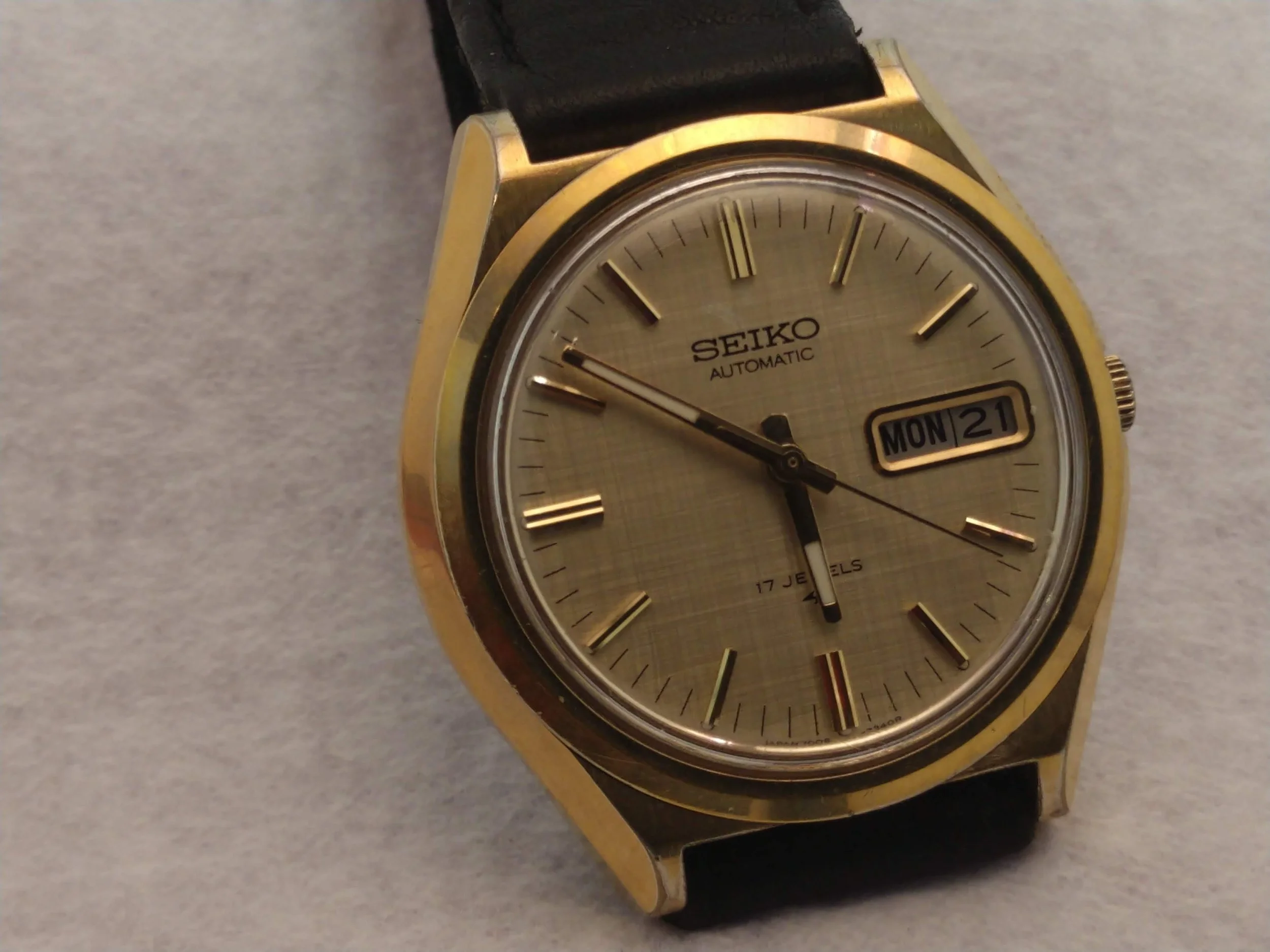
Vintage Seiko automatic with a lovely linen style dial
Citizen followed a similar but distinct path. Founded in 1918 and named with the intention of making watches accessible to the public, Citizen emphasized reliability, practicality, and scale. The brand invested heavily in manufacturing technology and vertical integration, allowing it to control quality while producing watches for a wide range of users. This approach would later support some of Citizen’s most important contributions to modern horology.
The turning point for Japanese watchmaking came in the mid 20th century. As global demand for accurate, affordable watches grew, Japanese manufacturers applied industrial discipline to precision engineering. Seiko’s release of the Astron quartz watch in 1969 changed everything. Quartz technology itself was not new, but Seiko’s ability to bring it to market in a wristwatch that could be mass produced disrupted the mechanical stronghold of Swiss watchmaking. Accuracy improved dramatically, costs dropped and expectations shifted overnight. The so called Quartz Crisis forced the entire industry to rethink its future.
Citizen played a critical role in advancing quartz technology as well. Its focus on efficiency and durability helped make quartz watches reliable everyday tools. Over time, Citizen refined this philosophy into technologies like Eco Drive, which uses light to power the movement and eliminate routine battery changes. This innovation reinforced the brand’s reputation for practicality and long term usability rather than luxury alone.
What often gets overlooked is that Japanese watchmaking never abandoned mechanical expertise. Seiko continued to develop high quality mechanical movements alongside its quartz innovations. Lines like Grand Seiko demonstrated that Japanese finishing, regulation and precision could stand alongside the best in the world. The emphasis was different. Where Swiss brands often leaned on tradition and heritage, Japanese makers focused on performance, consistency and incremental improvement. The result was a quieter form of excellence that earned respect over time.
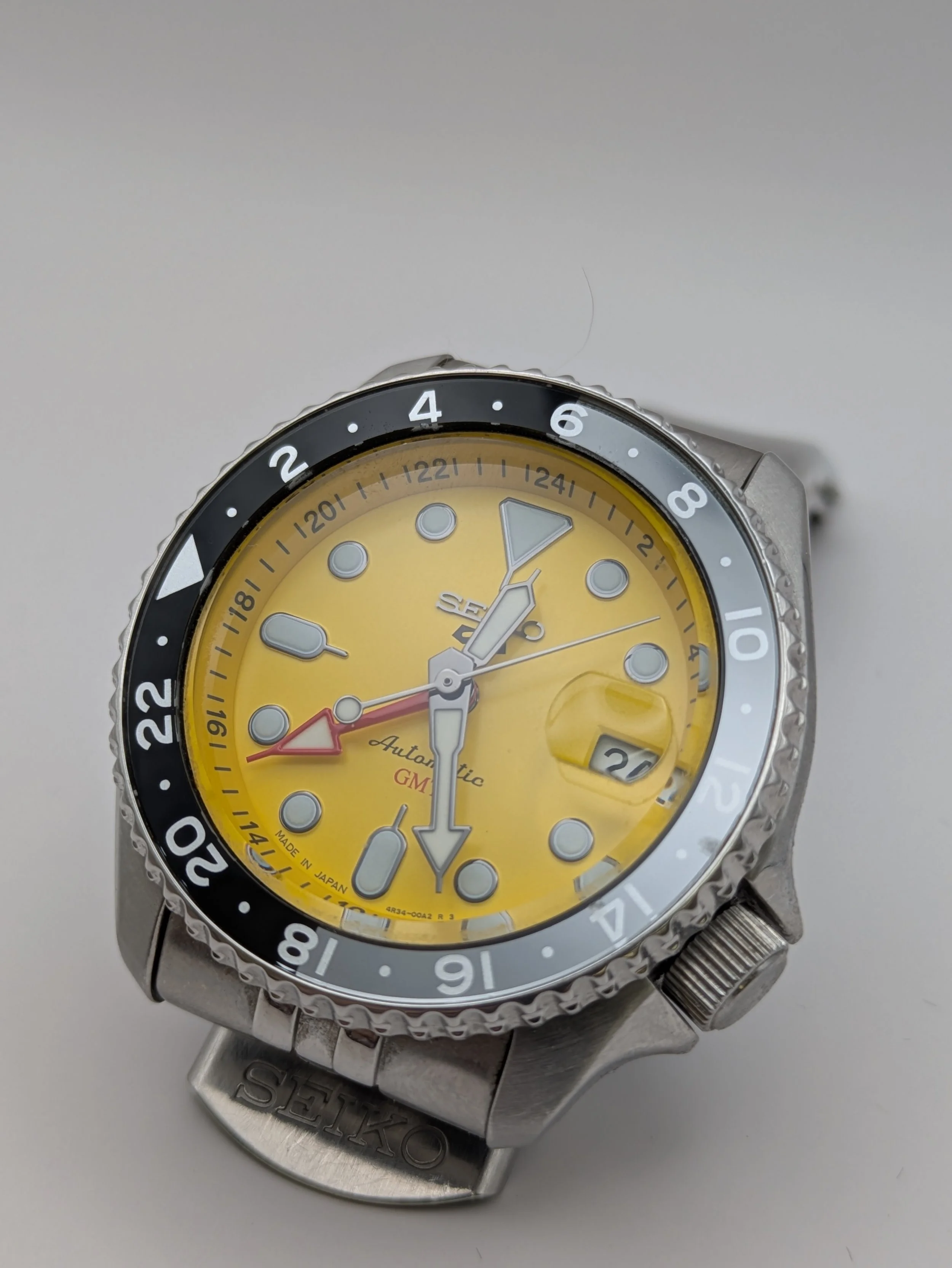
Seiko 5 GMT with a stunning yellow dial
Citizen followed suit with mechanical offerings that emphasized robustness and value. Its in house movements became known for reliability and thoughtful engineering rather than decorative finishing. Both brands treated watches as tools first, designed to work in real world conditions. That philosophy resonated with a global audience, especially as consumers began to value durability and accuracy as much as prestige.
In the shop, Japanese watches tell a very specific story. They are often well worn, well loved and still functioning after years of daily use. When they do arrive for service, the designs tend to be logical and service friendly. Parts availability, consistency, and thoughtful engineering make them approachable for both owners and watchmakers. That is not an accident, it reflects the values baked into their development.
Seiko and Citizen matter because they expanded the definition of quality. They proved that precision does not have to be exclusive, and innovation does not need to be loud. Their influence forced the industry to evolve and ultimately strengthened watchmaking as a whole. Without Japanese horology, the modern watch landscape would look very different.
Today, collectors appreciate Seiko and Citizen not just for nostalgia or value, but for what they represent. They embody a philosophy where function, reliability and quiet excellence come first. The rise of Japanese horology is not a challenge to tradition. It is a reminder that great watchmaking can take many forms, and that some of the most important contributions come from those willing to rethink the rules entirely.
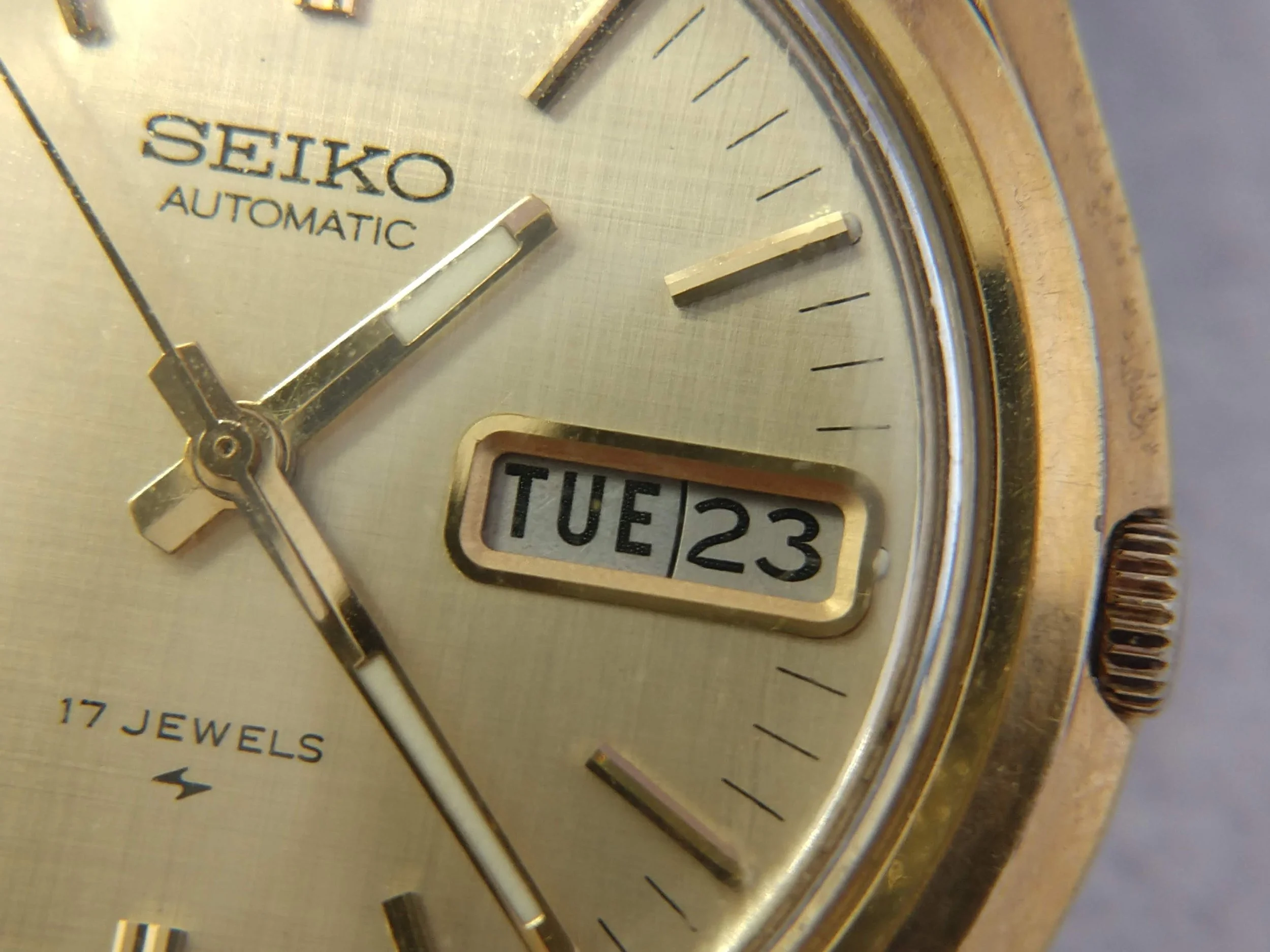
Vintage Seiko automatic seen close up to show the texture of the dial