Everyday Habits That Shorten a Watch’s Life And How to Stop Them
Most watches do not fail suddenly. They wear down slowly, shaped by habits that feel harmless in the moment. A watch is designed to be worn, but how it is worn matters more than many people realize. Over time, small choices add up and can quietly shorten the life of a movement that would otherwise run reliably for decades.
One of the most common habits is exposing a watch to moisture without realizing it. Hand washing, rain and steam from showers all introduce humidity into places it does not belong. Even watches that once had strong water resistance lose that protection as gaskets age and crowns loosen. Moisture does not need to flood a case to cause damage. A small amount can begin corroding steel parts and breaking down oils long before anything looks wrong from the outside.
Another everyday issue is magnetism. Modern life is filled with magnetic fields, and watches pass near them constantly. Phones, laptops, speakers and tablet covers are all strong enough to affect a movement. When the balance spring becomes magnetized, the watch may begin running fast or erratically. This does not damage the movement permanently, but it throws accuracy off enough to cause concern and unnecessary wear if left uncorrected.
Impacts and vibration are another quiet source of damage. A watch worn during yard work, gym sessions or heavy labor absorbs repeated shocks that strain pivots and jewel settings. Even small impacts can affect delicate components inside the movement. Over time, these stresses show up as worn pivots, cracked jewels or changes in timekeeping that require deeper intervention.
Neglecting routine service is also a major factor. Oils dry out, migrate and lose their effectiveness. When lubrication fails, metal begins to wear against metal. A watch may continue running, but the damage accelerates beneath the surface. Skipping service often turns what could have been simple maintenance into a much more involved repair later on.
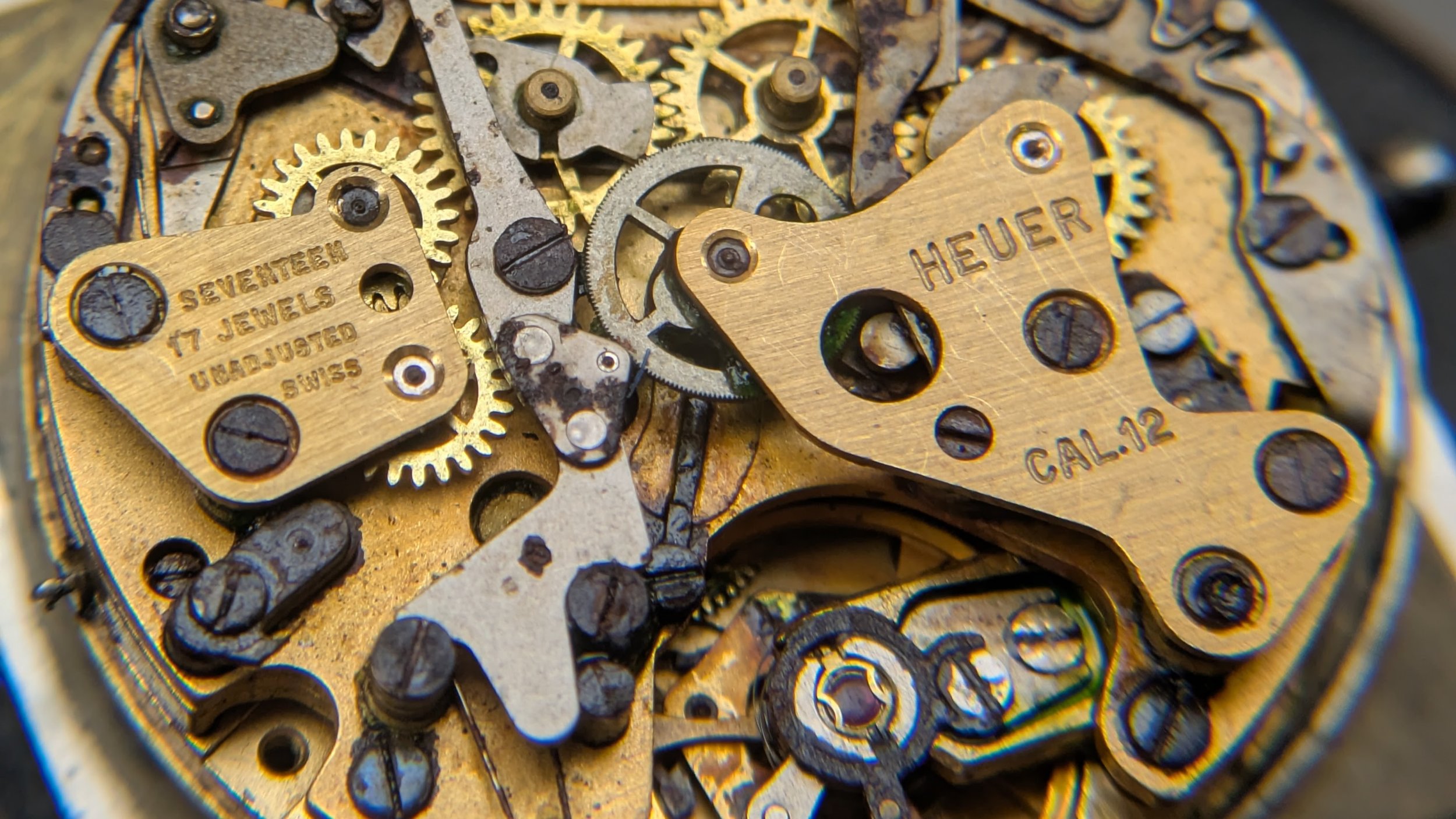
Heuer Caliber 12 movement that was exposed to water over years of storage
Another habit that causes trouble is improper storage. Leaving a watch near strong magnets, storing it crown down for long periods or tossing it into a drawer without protection exposes it to unnecessary risk. Dust, moisture and accidental impacts add up when a watch is not stored with care. Proper storage does not need to be complicated, but it does need to be intentional.
Stopping these issues does not require babying a watch. It simply means being aware of its limits. Removing a watch before showers, swimming or heavy activity goes a long way. Keeping it away from strong magnetic sources helps maintain accuracy. Wearing it as intended and servicing it at reasonable intervals preserves the movement before wear becomes damage.
At the bench, many of the watches that arrive needing extensive work could have avoided it with small changes in daily habits. The wear patterns tell the story clearly. None of it happens overnight. It is the result of time, environment and use slowly shaping the condition of the movement.
A well made watch is built to last, but longevity depends on partnership. When a watch is respected and maintained, it rewards that care with decades of reliable service. The habits that shorten its life are easy to change, and the benefits of doing so are felt every time the watch runs smoothly and accurately on the wrist.
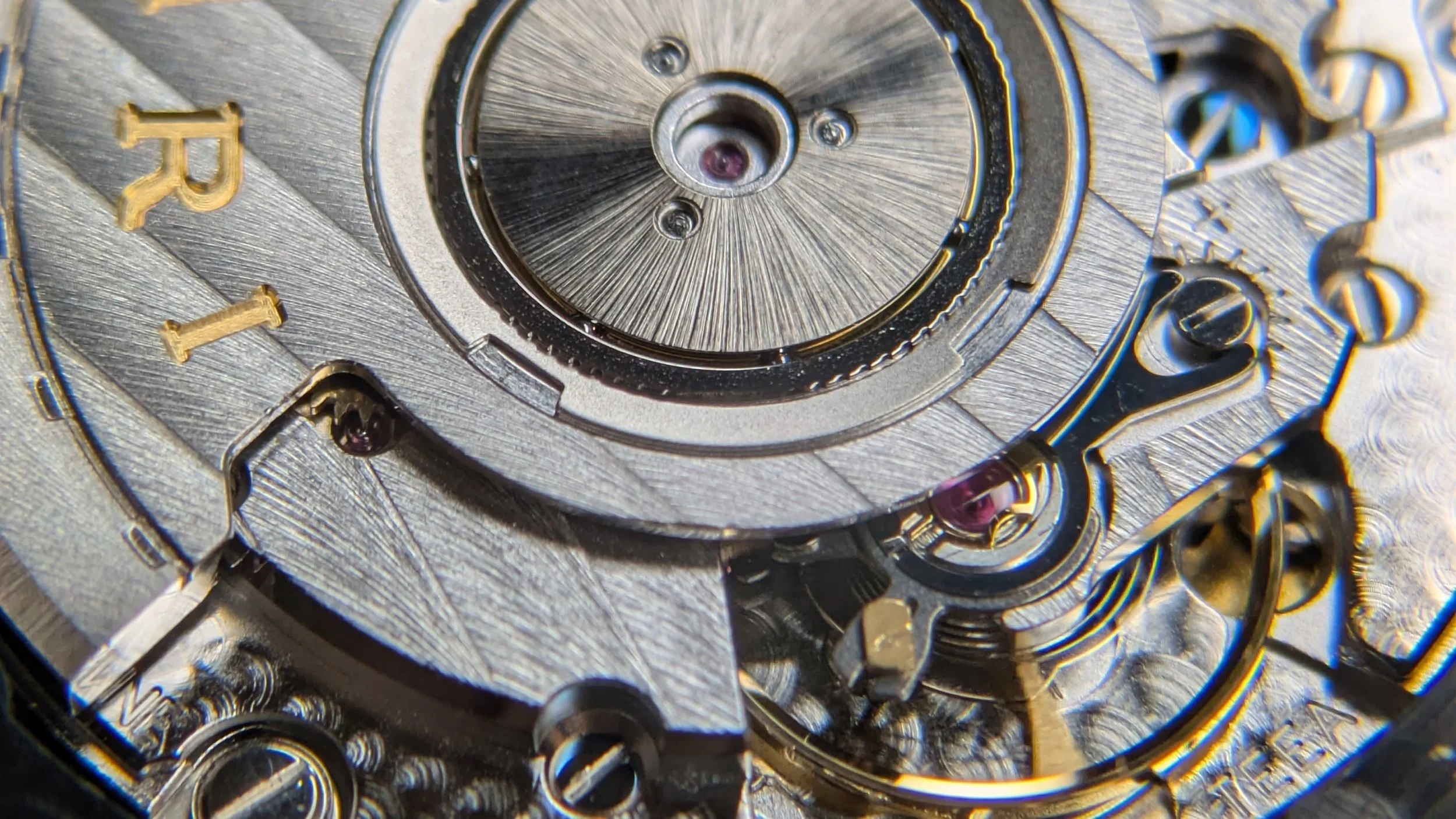
ETA 2892-A2 movement from a BVLGARI AL44 fresh out of service